How Doctors Train
The Road from Medical School to Independent Practice.
Doctors Training Steps
Learn how physicians are trained, who oversees the process, and how accreditation supports high-quality medical education across the United States.

Undergraduate
Build the academic foundation for medical school.

Medical School
Learn the science and practice of medicine.

Residency
Train under supervision in your chosen specialty.

Fellowship
Pursue advanced training in a subspecialty.

Independent Licensure
Meet state requirements to practice medicine.

Board Certification
Demonstrate expertise in a medical specialty.
The Training Pathway Timeline
After earning a medical degree, every physician in the United States completes a residency — a period of supervised clinical training that typically lasts 3 to 7 years depending on the specialty. This training is structured, evaluated, and governed by a set of distinct entities with different responsibilities. Understanding who does what is the starting point.

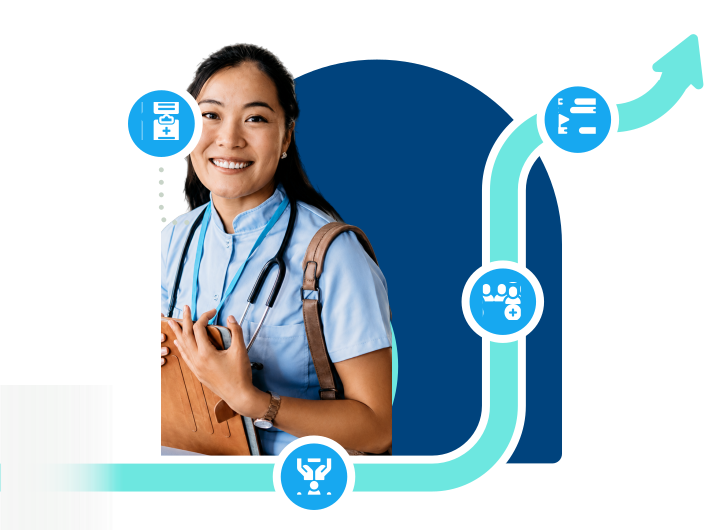
Building the Foundation for a Career in Medicine
Future physicians spend four years in medical school developing the scientific knowledge, clinical skills, and patient care experience needed to begin their professional training. During this time, students transition from classroom learning to hands-on clinical rotations and prepare for the next stage of their journey.
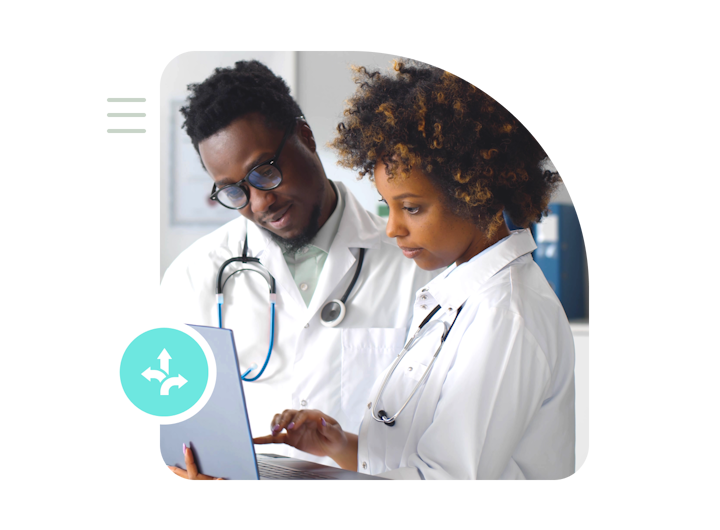
Where Physicians Learn Their Specialty
After medical school, physicians enter residency programs where they train under supervision while caring for patients. Residency is the first phase of graduate medical education and provides the real-world experience needed to develop expertise in a chosen specialty.
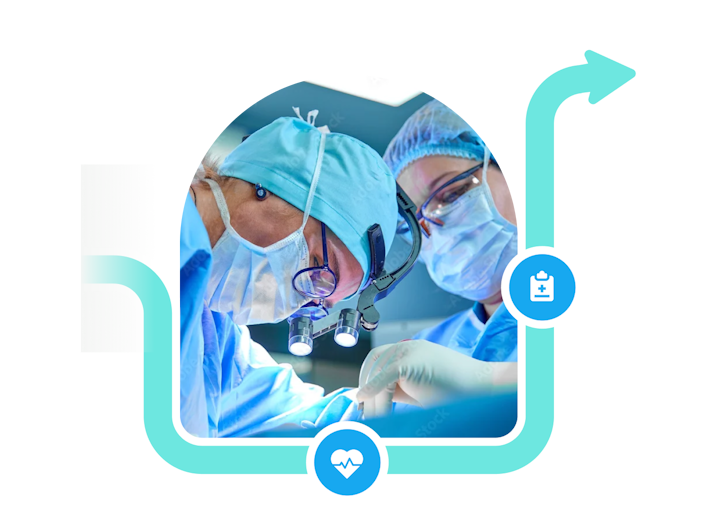
Advanced Training for Specialized Care
Some physicians pursue additional fellowship training after residency to develop expertise in a specific area of medicine. These programs provide focused education and clinical experience for physicians seeking to practice in a subspecialty.
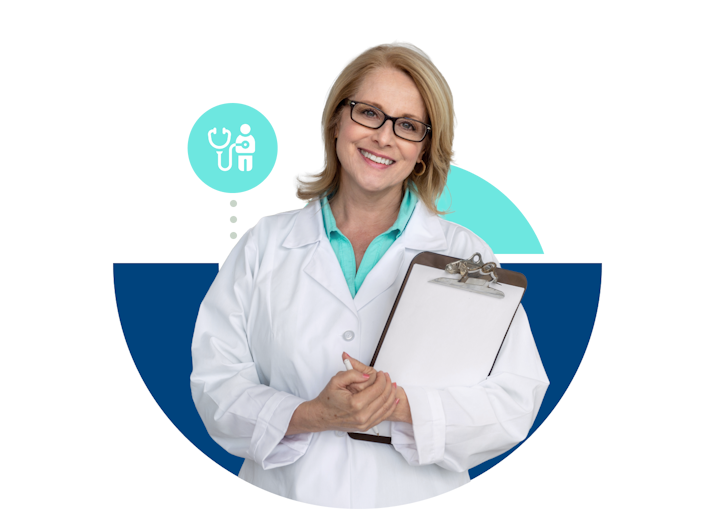
From Training to Independent Patient Care
Take the Full Pathway With You
Download a printable overview of the physician education and training journey, from medical school through independent practice.
Frequently Asked Questions
Learn how physicians are trained, who oversees the process, and how accreditation.
Does the ACGME run the Match?
The NRMP — National Resident Matching Program — runs the Main Residency Match and its matching algorithm. The ACGME accredits sponsoring institutions and residency/fellowship programs, but it does not rank applicants, run the algorithm, or assign residents to programs.
The connection is that many programs in the NRMP Match are ACGME-accredited, and NRMP eligibility rules often refer to ACGME accreditation.
What is the difference between accreditation and certification?
Accreditation is a formal recognition that an organization, program, or institution meets standards set by an external authority.
Certification is a formal recognition that a person, product, process, or system meets specific requirements or competencies.
Who Funds Physicians Training?
Medical school is mostly paid for through tuition, student loans, scholarships, state support for public schools, philanthropy, and university/health-system funds.
Explore Resources
Download PDF
Learn how physicians are trained, who oversees the process, and how accreditation.
Media Backgrounder Pack
Learn how physicians are trained, who oversees the process, and how accreditation.
GME Briefing Sheet
Learn how physicians are trained, who oversees the process, and how accreditation.